The new petro-states in Africa. The case of Namibia (2012-2013)
About the project
About the project
During the past decade, Uganda has become one of the world’s fastest-growing economies, but the country’s development needs have not yet been met, and the government’s revenue sources are less than sufficient to satisfy them. Therefore, when oil was discovered in 2006, hopes were raised regarding Uganda’s future, since the oil money could provide substantial funds enabling a transformation of the country. According to the latest figures, Uganda has 6.5 billion barrels of oil, which makes the country the third-largest oil holder in the ssa region (after Nigeria and Angola). Unfortunately, even though almost a decade has passed since the first oil was struck, production figures have remained at zero. Given the huge needs of Ugandan society and political rhetoric of Uganda as a developmental state, it is perplexing that it is taking so long to start extracting oil in the country. The major objective of this paper is to identify and analyse major causes of oil production delays (underdevelopment of infrastructure, environmental aspects, disputes with international oil companies, legal framework adjustments, and above all vast patronage network) as well as to contribute to a better understanding of recent dynamics in the Ugandan oil sector
The primary objective of this paper is to assess whether Namibia is ready to become an oil producer. The geological estimates suggest that the country may possess the equivalent of as many as 11 billion barrels of crude oil. If the numbers are correct, Namibia would be sitting on the second-largest oil reserves in sub-Saharan Africa, and exploitation could start as soon as 2017. This clearly raises the question of whether Namibia is next in line to become a victim of the notorious “resource curse.” On the basis of critical discourse analysis and findings from field research, the authors have selected six dimensions of the resource curse and contextualised them within the spheres of Namibian politics and economy. While Namibia still faces a number of important challenges, our findings offer little evidence that the oil will have particularly disruptive effects
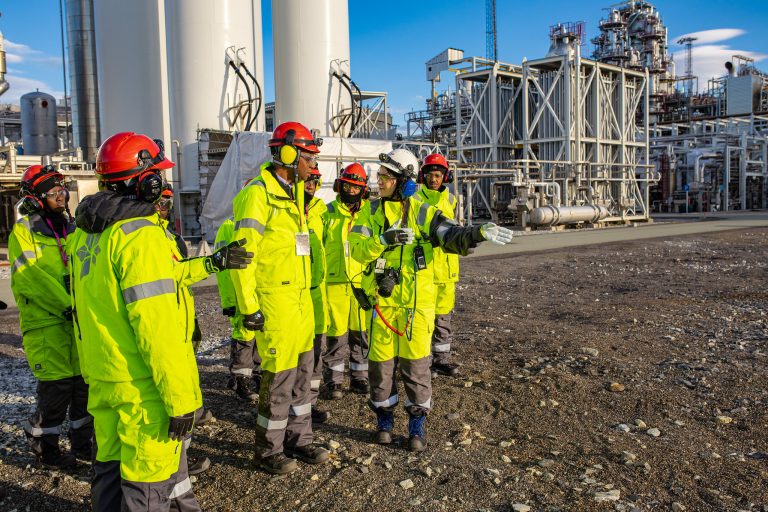
East Africa is often described as the world’s „new oil and gas frontier” or hydrocarbon El Dorado – the most perspective region in terms of oil and gas exploration. Taking into consideration the hydrocarbon potential of the region, it is legitimate to ask questions about East Africa’s readiness for the oil and gas production. During…
About the project
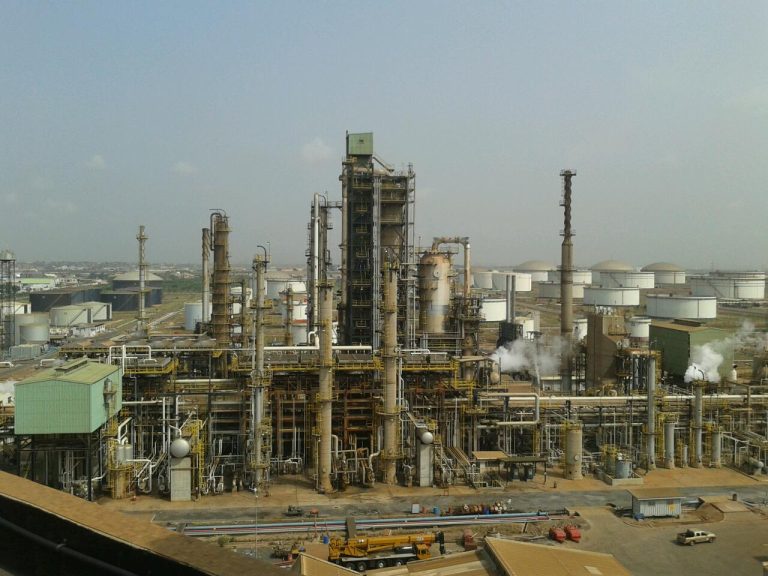
According to the latest figures, Uganda has 6.5 billion barrels of oil deposits, which makes it the third-largest oil holder in sub-Saharan Africa. Currently the country is preparing its legal and institutional framework for proper management of the oil revenues. However, developing an effective oil sector in any of the SSA states has so far proved to be a futile task. To ensure that Uganda is not going to repeat the mistakes of Nigeria, the country’s leaders have requested Norway’s assistance in preparing Uganda’s oil sector for the upcoming production phase. The major objective of this article is to determine whether the Norwegian model of oil extraction and revenues management is transplantable to the Ugandan political, economic, and social conditions
Abstract The Angola–China connection has famously been branded a ‘marriage of convenience’—an ‘uneasy alliance’ forged for pragmatic reasons at an opportune time of mutual need. In this article, we document how the relationship has more recently undergone a marital burnout of sorts. Chinese loans to Angola have dried up and most Chinese state-owned enterprises have…