The new petro-states in Africa. The case of Namibia (2012-2013)
About the project
About the project
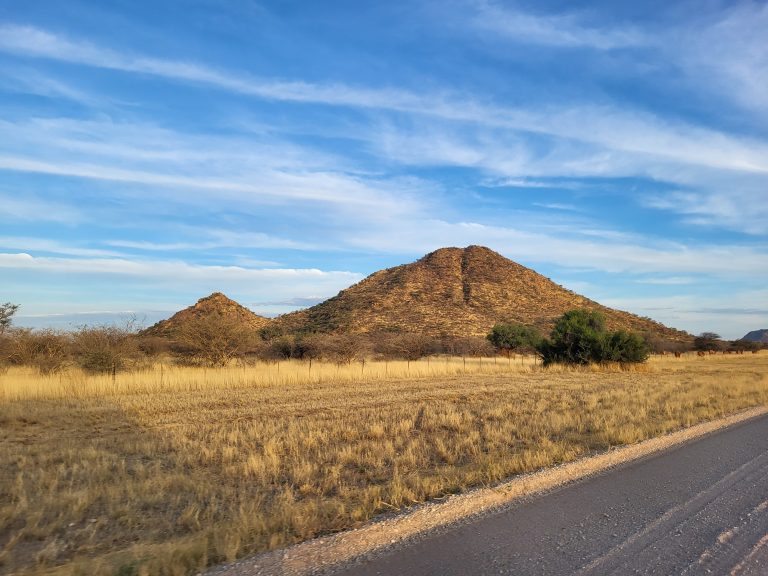
The apartheid systems in Southern Africa collapsed more than two decades ago, yet still approximately 65% of wealth in this very region is controlled by 10% of the entire population, and Southern Africa remains the world’s most unequal region. The issue of equal opportunities for Black population was central for public debates in Sub-Saharan post-apartheid…
About the project
Abstract The Angola–China connection has famously been branded a ‘marriage of convenience’—an ‘uneasy alliance’ forged for pragmatic reasons at an opportune time of mutual need. In this article, we document how the relationship has more recently undergone a marital burnout of sorts. Chinese loans to Angola have dried up and most Chinese state-owned enterprises have…
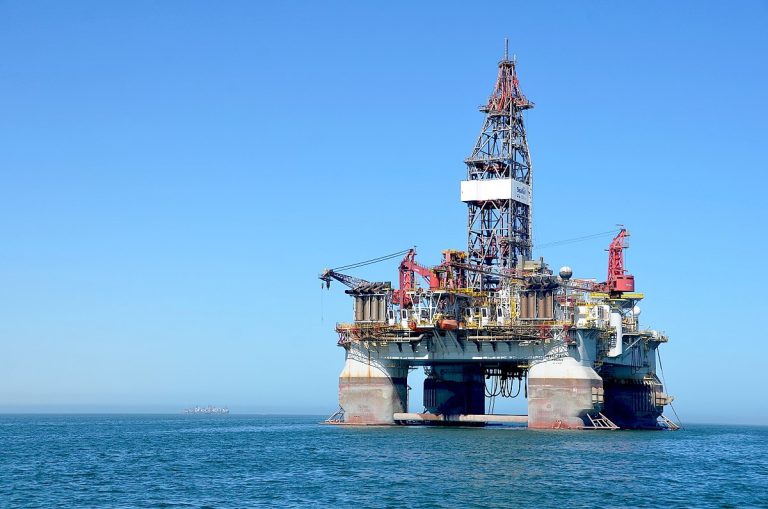
The main purpose of the research is to answer the question if Namibia as a second generation petro-state can avoid oil resource curse phenomenon. Research hypothesis states that African countries where oil has been discovered in recent years operate in different international arena and with dissimilar domestic factors compared to countries that after decolonisation were…
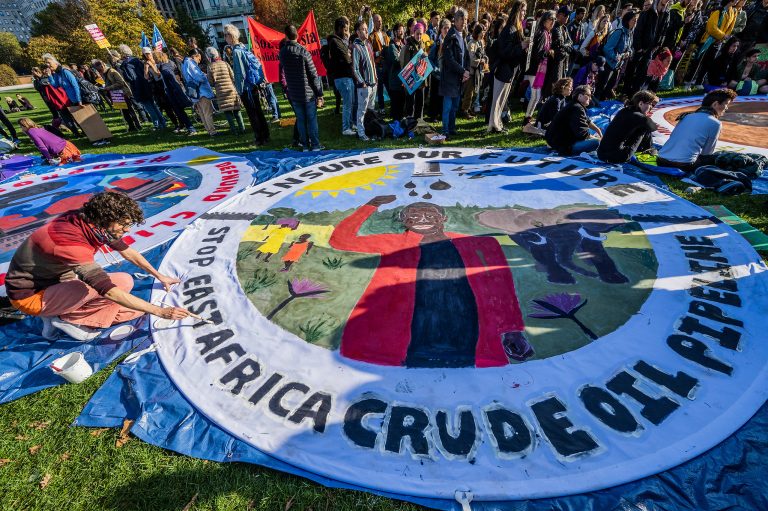
The main purpose of the research is to answer the question whether Uganda as a second generation petro-state can avoid oil resource curse phenomenon. Research hypothesis states that African countries where oil has been discovered in recent years operate in different international arena and with dissimilar domestic factors compared to countries that after decolonisation were…
According to the latest figures, Uganda has 6.5 billion barrels of oil deposits, which makes it the third-largest oil holder in sub-Saharan Africa. Currently the country is preparing its legal and institutional framework for proper management of the oil revenues. However, developing an effective oil sector in any of the SSA states has so far proved to be a futile task. To ensure that Uganda is not going to repeat the mistakes of Nigeria, the country’s leaders have requested Norway’s assistance in preparing Uganda’s oil sector for the upcoming production phase. The major objective of this article is to determine whether the Norwegian model of oil extraction and revenues management is transplantable to the Ugandan political, economic, and social conditions